
Mercury in Punarvasu Nakshatra
Mercury in Punarvasu Nakshatra gives the Mercury a more specific tone than sign alone. Punarvasu is ruled by Jupiter, symbolized by bow & quiver of arrows, meaning "Good Again" or "Wealthy again" - Being Good Again and Again - "Punar" means repeat and "vasu" means ray of light", and it can color the planet with themes like abundance, always forgiving, always makes a comeback, and boundless. This page focuses on that combination, not a generic meaning of Mercury or Punarvasu.
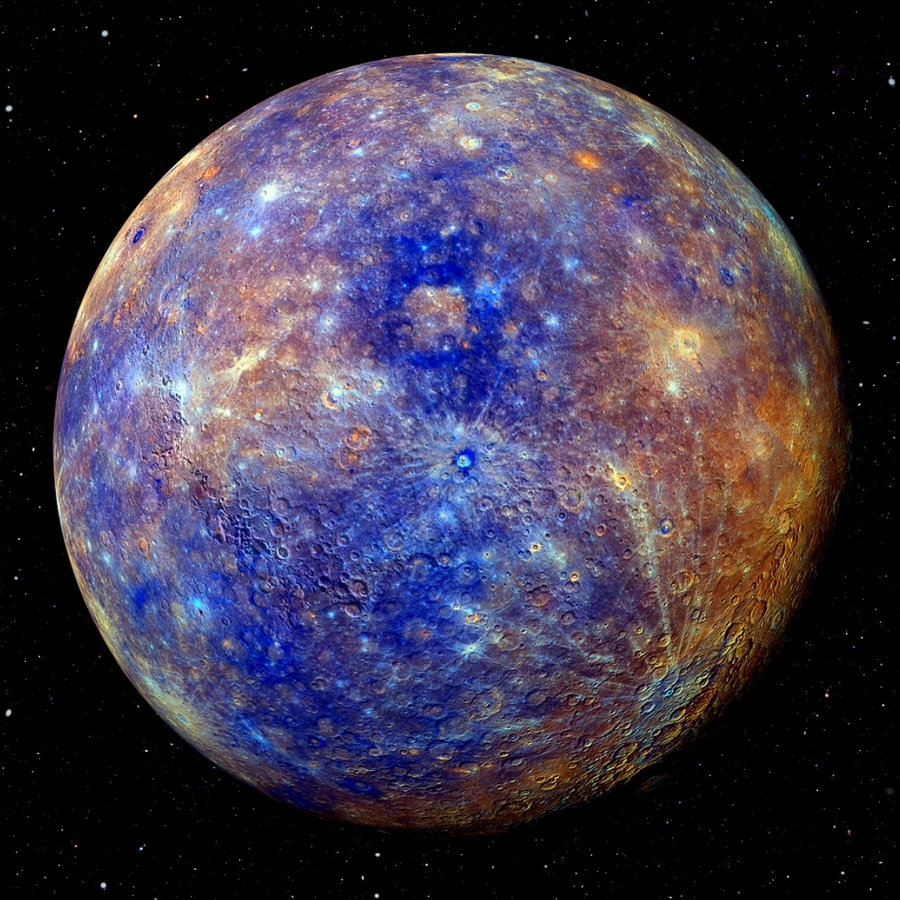
What This Placement Can Show
The nakshatra shows texture, instinct, story, and pattern. With Mercury in Punarvasu, the planet does not just express through a sign; it expresses through a particular lunar mansion. This can make the placement feel more specific, especially around motivation, memory, emotional tone, timing, and the repeating patterns you notice in real life. At a glance: ruler: Jupiter; deity: Aditi (Goddess of harvest); shakti: Revitalizing.
Favorable Expressions
At its best, Mercury in Punarvasu Nakshatra can show versatile and adaptable intellect. In the VAM source notes, the favorable expressions include:
- Versatile and adaptable intellect.
- Success in diverse and varied pursuits.
- Potential for communication skills.
- Charismatic and persuasive demeanor.
- Growth through diverse intellectual experiences.
- Success in ventures requiring adaptability.
Challenging Expressions
When stressed or unconscious, Mercury in Punarvasu Nakshatra can show tendency towards indecisiveness. This is not here to label the placement as bad; it shows what to notice and work with.
- Tendency towards indecisiveness.
- Risk of being overly changeable.
- Challenges in sustaining focus.
- Potential for superficial interests.
- Need for consistency in thinking.
- Possible conflicts due to wavering opinions.
How To Work With It
Work with Mercury in Punarvasu Nakshatra by supporting the Mercury part of your chart through writing, mantra, focused study blocks, mindful speech, alternate nostril breathing, and reducing scattered inputs. Then watch the Punarvasu pattern in real life: lean into the favorable expression when it is present, and treat the challenging expression as useful feedback rather than a fixed identity.