The Moon in Vedic Astrology
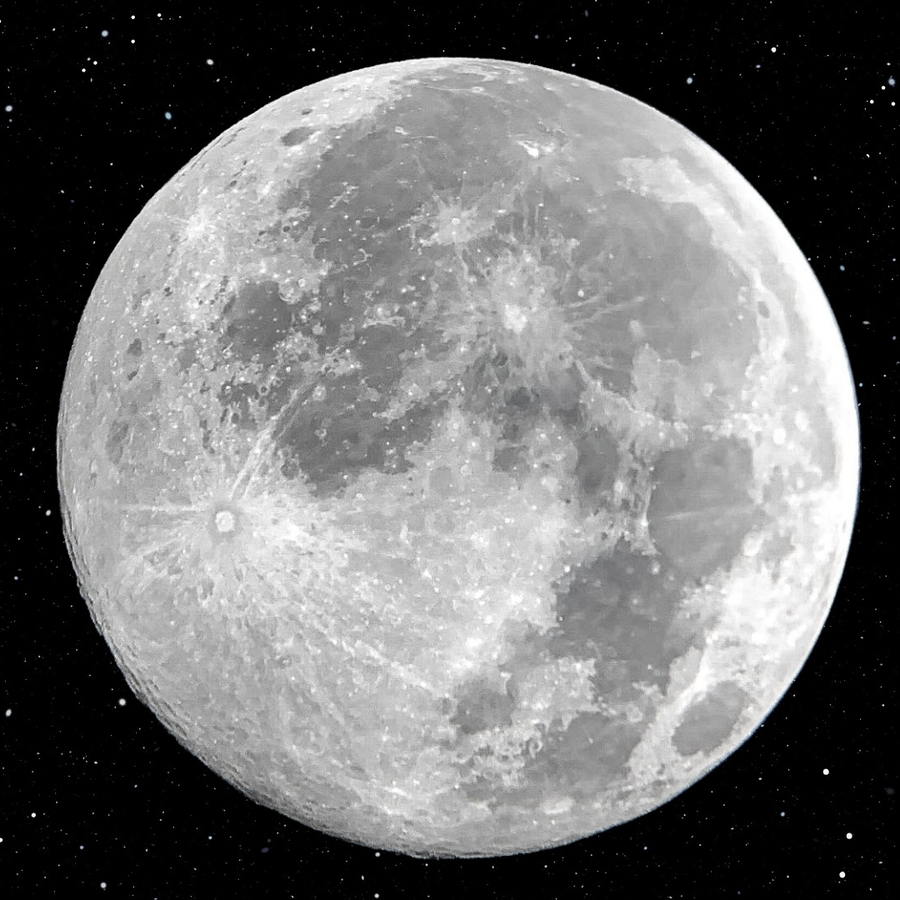
The Moon (Chandra) is one of the 12 grahas used in modern jyotish. It represents the mind, emotions, mother, receptivity, memory, nourishment, and the way life feels from the inside.
"The Deeper Meaning of The Moon in Vedic Astrology" on YouTube, Spotify, or Apple Podcasts.
The Moon In A Birth Chart
In a birth chart, the Moon shows what life feels like from the inside. It's why some days you feel clear, open, and ready for life, and other days you feel reactive, overwhelmed, or like you just want to retreat. The sign and nakshatra of your Moon show how your mind and emotions tend to work. The house of your Moon shows where your mind and emotions are typically most active or influenced. The Moon helps you give language to your moods, how your mind works, your sensitivities, and your inner experience. It's a major factor in seeing how different people can experience the same things so differently.
The Moon is worth understanding because so much of your life is shaped by the state of your mind. You can have the right job, the right relationship, the right plan, or the right opportunity, but if your mind doesn't feel safe, clear, nourished, or receptive, it can be hard to actually receive the good that is there. The Moon doesn't generate its own light; it receives and reflects what comes toward it, which is why it can show how you take in praise, criticism, support, stress, beauty, noise, family, food, media, and how those things affect you.
In a Vedic chart, the Moon is abbreviated as Mo. These two charts show the Moon in Aries in the 1st house with an Aries Ascendant. North Indian charts keep the houses fixed, while South Indian charts keep the signs fixed.
North Indian Chart
South Indian Chart
Find The Moon In Your Chart
Use the free Vedic Astrology Roadmap to find your Moon sign, house, and nakshatra.
Find My MoonMoon At A Glance
| Keywords | Mind, emotions, mother, receptivity, nurturing. |
|---|---|
| Sanskrit | Chandra / Soma. |
| Rules | Cancer / Karkata. |
| Exaltation | Krittika (3 degrees Taurus.) |
| Debilitation | Vishakha (3 degrees Scorpio.) |
| Element | Water: Emotion, receptivity, nourishment. |
| Guna | Sattva: Clarity, harmony, purity. |
| Nature | Waxing Moon: Benefic. Waning Moon: Malefic. |
| Color | White / silver. |
| Stone | Pearl. |
| Mantra | Om Chandraya Namaha. |
| Yoga | Restorative yoga, Yin yoga, Yoga Nidra. |
| Mudra | Chandra Mudra. |
| Pranayama | Chandra Bhedana. |
| Timing | About 2.25 to 2.5 days per sign; about 24 hours per nakshatra. |
| Day | Monday. Lunes (Spanish). Lundi (French). Montag (German). |
| House | 4th house / Sukha Bhava: home, mother, happiness, emotional peace. |
| Karaka | Mind, emotions, memory, mother, home, nourishment, fluids, water, peace, sensitivity, sleep, and receptivity. |
| Supportive | Calm, receptive, emotionally resilient, nurturing, intuitive, adaptable, reflective, content, connected to home, able to receive support. |
| Challenging | Reactive, moody, overwhelmed, anxious, emotionally flooded, overly attached, disconnected from feelings, too influenced by environment, unable to receive, seeking safety through control. |
The Moon in Transits
Once you know where the Moon is in your birth chart, the next layer is how the Moon moves through the sky now. The Moon moves quickly, spending about two and a half days in each sign and about one day in each nakshatra, so Moon transits, or gochara, are useful for tracking your mood, timing, and choosing what to prioritize each day. The lunar cycle also frames important timing points like the new moon, full moon, eclipses, and tithis. The natal Moon is also used as the major reference point for two of the most significant aspects of Jyotish: Saturn's Sade Sati, and what dasha you're born into in the Vimshottari Mahadasha system. When you go through ups and downs of a day, week, or month, the Moon may be transiting over challenging points in your chart like Saturn, your 8th house, or challenging placements in your chart. Similarly for positive transits like Moon over your Jupiter or 4th house. Every month, the Moon passes over your natal Moon nakshatra, giving you a monthly "Moon Birthday." This is also why your Moon sign is crucial for interpreting the transits each month; you can watch the most recent horoscope for your Moon sign on YouTube.
How To Read Moon In Context
Moon shows mind, emotions, mother, memory, nourishment, receptivity, and inner experience, but the real interpretation comes from context. Start with the sign to understand the style, the house to understand where it becomes active, and the nakshatra to understand the more specific instinct, story, deity, symbol, or pattern underneath it.
Then ask whether Moon is especially important in the chart. It becomes louder when it rules the Ascendant, holds the Moon, sits in an angular house, acts as the dasha lord, receives strong aspects, or is being triggered by transits. That is where the page moves from a general definition into something someone can recognize in real life.
For Moon, the practical question is what helps the mind feel steady enough to receive life clearly. If that theme repeats through the chart and timing, it deserves attention. If it only appears once, keep it as background information and keep reading the whole chart.
Use the placement links below to keep going: Moon by sign shows style, Moon by house shows life area, and Moon by nakshatra shows the finer pattern.
Common Questions
What does the Moon mean in Vedic astrology?
The Moon (Chandra) shows the mind, emotions, mother, memory, receptivity, nourishment, and the way life feels from the inside. It helps explain your changing moods and emotional patterns. It also helps see why the same outer situation can feel so different to two people.
Is the Moon sign more important than the Sun sign?
In Vedic astrology, the Ascendant is most important, then the Moon, then the Sun. The Moon describes the mind and emotional experience, and it's also used as a major reference point for transits, Sade Sati, and it determines which dasha you're born into. As always, it's essential to consider the whole chart in interpretations, not just the Moon.
How do I find my Moon nakshatra?
You need your birth date, exact birth time, and birthplace to calculate your Vedic chart. Your Moon nakshatra is the lunar mansion where the Moon was placed when you were born, and it gives a more specific layer of how you experience things like instinct, memory, receptivity, and your emotional patterns.
What should I do after I learn my Moon placement?
Start by observing your mind, mood, environment, sleep, nourishment, and emotional patterns. The point isn't just to know your Moon sign; it's to work with it through rhythm, practice, awareness, and better choices around what your mind is taking in.